Understanding the Importance of Indoor Air Quality
When we think about the air we breathe, it’s usually the outdoor air quality that first comes to mind. But what about the air inside our homes? We spend a significant amount of our time indoors, making indoor air quality just as crucial to our health and well-being. Poor indoor air quality can lead to health issues like allergies, respiratory problems, or even more severe conditions over time.
One of the most effective ways to improve the air you breathe at home is through proper HVAC maintenance. A well-maintained HVAC system not only keeps your home comfortable but also plays a pivotal role in ensuring the air you breathe is clean and healthy.
The Role of HVAC Systems in Air Quality
Your HVAC system is more than just a means to regulate temperature. It's essentially the lungs of your home, circulating air throughout every room. If it's not properly maintained, it can circulate dust, bacteria, and other pollutants.
Let's break down how HVAC systems affect indoor air quality:
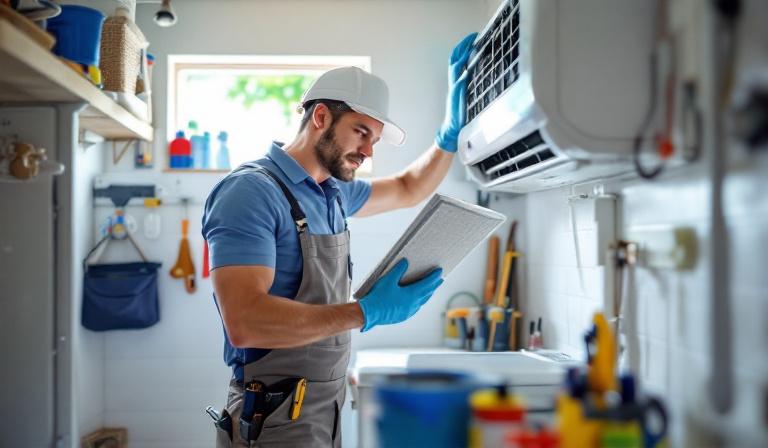
- Filtration: The filters in your HVAC system are designed to catch dust, allergens, and other airborne particles. Over time, these filters can get clogged and lose their effectiveness, allowing pollutants to circulate back into your home.
- Humidity Control: Proper humidity levels are crucial for indoor air quality. Too much humidity can lead to mold growth, while too little can cause dry skin and respiratory issues. HVAC systems help maintain the right balance.
- Ventilation: Fresh air is essential, and your HVAC system helps bring in outdoor air and expel stale indoor air, reducing concentrations of indoor pollutants.
Common Pollutants and Their Sources
Before diving into maintenance tips, it’s helpful to understand some common indoor pollutants:
- Dust and Allergens: These can come from a variety of sources such as carpets, furniture, and pets.
- Volatile Organic Compounds (VOCs): Released from household products like paints, cleaners, and even some furnishings.
- Mold Spores: Often found in damp areas without proper ventilation.
- Pet Dander: Tiny, even microscopic flecks of skin shed by cats, dogs, and other animals with fur or feathers.
Understanding these pollutants helps highlight the importance of regular HVAC maintenance.
Steps for Effective HVAC Maintenance
Maintaining your HVAC system doesn't have to be overwhelming. Here are some practical steps to ensure your system is running efficiently and keeping your air clean:
1. Regular Filter Changes
The simplest yet most effective step is to change your HVAC filters regularly. Depending on your system and home environment, this might mean every 1 to 3 months. High-efficiency particulate air (HEPA) filters can trap smaller particles and are a good choice for those with allergies.
2. Professional Inspections and Tune-Ups
Just like a car, your HVAC system benefits from regular check-ups. Hiring a professional to inspect and service your system at least once a year can catch problems before they become costly repairs and ensure everything is working efficiently.
3. Cleaning the Ductwork
Over time, dust and debris can accumulate in your ductwork, affecting air quality and system efficiency. Consider having your ducts professionally cleaned every few years, particularly if you've noticed increased dust levels or if someone in your home suffers from allergies.
4. Check for Leaks
Inspect your ductwork for any leaks or damaged areas. Leaks can cause your system to work harder, leading to increased energy bills and decreased air quality. Many HVAC professionals can perform a duct leakage test to identify and seal any problem areas.
5. Ensure Adequate Ventilation
Make sure that vents and registers are not blocked by furniture or other obstructions. Proper airflow is essential for your HVAC system to work efficiently and to maintain good air quality.
Additional Tips for Better Indoor Air Quality
While HVAC maintenance is a big piece of the puzzle, here are additional steps you can take to improve your home's air quality:
- Houseplants: Some plants, like spider plants and peace lilies, can naturally filter indoor air.
- Regular Cleaning: Vacuum and dust regularly to reduce dust and allergens.
- Use Natural Products: Opt for non-toxic cleaning products to reduce VOCs.
- Avoid Smoking Indoors: Smoke is a significant indoor pollutant and should be kept outside.
Taking these steps can significantly improve the air quality in your home, leading to a healthier living environment. And remember, maintaining your HVAC system is not just about comfort — it’s about breathing cleaner, fresher air every day.